
CRIMINAL JUSTICE CAREER PATH
Bachelor of Science in Criminal Justice Administration
Accredited by

- Public Safety Promise Scholarship available
- 4-week online courses that fit your schedule
- No application fee, essays, or exams

Format
Online, Onsite, & Hybrid

Completion Time
This program is designed to be completed within 48 months. Some students finish in as few as 11 months at an accelerated pace. Actual time to completion varies based on transfer credit, course availability, enrollment status, and academic progress.
11 Months*

Credits
120

Average Cost Per Credit
$640
Program Overview
Why Get a Bachelor of Science in Criminal Justice Administration?
National University’s Bachelor of Science in Criminal Justice Administration (BSCJA) is designed for students passionate about the future of American jurisprudence. Featuring an expert-led curriculum rooted in juvenile justice, forensic science, and advanced research methods, NU’s flexible yet rigorous program provides the foundational skills to pursue professional growth in a range of legal contexts.
Students can also choose from three pathways designed to streamline the transition into select NU master’s programs in criminal justice leadership, public administration, or forensic sciences.

Flexible Online Learning Options

Career-Focused Master’s Pathways

Experienced Faculty and Mentors

Public Safety Promise Scholarship
Career Impact
Explore current career data, including projected job growth and earning potential.

*Data Source: The career outcomes data presented is sourced from Lightcast, which provides insights based on real-time job postings, public datasets, and analytics. Lightcast derives its data from sources such as the Bureau of Labor Statistics (BLS), the Quarterly Census of Employment and Wages (QCEW), and the Occupational Employment Statistics (OES). While accurate and reliable, this data reflects general labor market trends and may not represent individual outcomes or specific local conditions. For more details on Lightcast’s methodology, visit their Data Overview.
Professional Pathways
Police and Sheriff's Patrol Officers
62,288
Job openings in the past year$76,157
Median SalarySupervisors of Correctional Officers
4,771
Job openings in the past year$77,979
Median Salary
*Data Source: The career outcomes data presented is sourced from Lightcast, which provides insights based on real-time job postings, public datasets, and analytics. Lightcast derives its data from sources such as the Bureau of Labor Statistics (BLS), the Quarterly Census of Employment and Wages (QCEW), and the Occupational Employment Statistics (OES). While accurate and reliable, this data reflects general labor market trends and may not represent individual outcomes or specific local conditions. For more details on Lightcast’s methodology, visit their Data Overview.
What You’ll Learn and Apply






Admission and Degree Requirements
How to Apply

Admission highlights:
- Transfer-friendly admission process
- Flexible monthly start dates
- Online application with personalized support
- Year-round enrollment opportunities
- Guidance from dedicated admissions advisors
Application requirements:
- Completed online application
- Official transcripts from previously attended institutions
- Proof of high school diploma or equivalent
- Personal statement or educational goals statement
- Resume or relevant academic background information
Degree Requirements

Requirements include:
- General education coursework (minimum 46 units)
- Minimum 30 credit hours completed through NU
- 120 credit hours required for graduation
- Minimum 51 credit hours completed at the upper-division level
Additional information:
- Maintain satisfactory academic progress
- Complete all required BSCJA coursework, including capstone courses
- Participate in collaborative and project-based learning experiences
- Demonstrate essential problem-solving and analytical skills

Explore Our Courses
Build advanced expertise in your field through career-relevant coursework.
Preparation for Major
1 COURSE
One of the following:
Intro to Criminal Justice
3.0 Semester Credit Hours
The criminal justice system is a network of government and private agencies intended to manage persons accused of a crime as well as persons who have been convicted of an offense. The course is designed to provide students with a basic understanding of the criminal justice system. The course will examine the interrelated pillars, consisting of law enforcement, the judiciary, and corrections.
Introduction to Policing**
3.0 Semester Credit Hours
This course is designed to provide the student with a basic understanding of the role of the peace officer in American society. The course will examine the steps in selecting candidates for the position of police officer, the complexity of the enforcement requirement, the challenges that face peace officers each day, the limitations placed on peace officers by all three branches of government at both the state and federal levels.
**CJA 229 is only available to students in defined, limited circumstances through an articulation agreement.
Requirements for the Major
9 COURSES
Courts & the Judicial Process
3.0 Semester Credit Hours
A study of concepts and theories regarding the utilization, organization and management of the judicial process. Critically reviews the issues of fair trial, speedy trial, free press, calendar control, judicial responsibility and new technology. Students analyze the roles of the legal actors, problems of lower, trial and appellate courts and the distribution of judicial powers.
Criminology
3.0 Semester Credit Hours
This course exposes the students to the basic tenets of criminal behavior, the causative and contributory factors of behavior. It explores the general personality, intellectual and social perspectives of criminal behavior.
CJ Management and Leadership
3.0 Semester Credit Hours
An analysis of the organization and management of criminal justice agencies. Discusses principles of supervision and motivation of personnel, management problems and solutions, decision-making and administration of policies and procedures.
Minorities/Crime/Soc. Justice
3.0 Semester Credit Hours
A review of the criminological literature and theoretical applications of the law and criminal justice as seen from a racial, gender specific, class and ethnic orientation.
Principles of Investigation
3.0 Semester Credit Hours
An introduction to the practices and procedures involved in conducting civil and criminal investigations. Topics include learning about crimes and their elements, modus operandi, major goals of investigations, primary functions and responsibilities of investigating officers/agents and the investigator’s relationship with other individuals and agencies involved in an investigation.
Criminal Law and Procedure
3.0 Semester Credit Hours
A survey of jurisprudential philosophy and case study of common law and statutory crimes. Discusses historical development, theory, principles and functions of criminal law. Also covers elements of due process, rule of law and the role of the constitution in protecting rights.
Corrections
3.0 Semester Credit Hours
An introduction to the field of corrections and the corrections continuum. Topics include contemporary theories of punishment, corrections and rehabilitation, local, state, federal and military confinement facilities and community alternatives to incarceration.
Ethics and the C J System
3.0 Semester Credit Hours
In depth exploration of the historical foundations of ethical decision making and how it informs the criminal justice system. Particular attention to the relationship of critical thinking skills and ethical decision making to current issues.
Criminal Justice Capstone**
3.0 Semester Credit Hours
Recommended: Prior completion of: all of the prior core courses. CJA 470 Capstone should be the final course in the BSCJA major.
Critical analysis of scenarios from three areas of the criminal justice system–policing, corrections, and courts to demonstrate deep understanding of the complex interplay of media influence, ethics, critical thinking and viable solutions. Grading is H, S, or U only. Eligible for In Progress “In Progress.”
**A two-month course that meets once per week for 3.0 semester credit hours. (Grading is by H, S, and U only.) Accelerated study is not permitted with CJA 470.
Note: Students who do not complete the Senior Project within the two month period are eligible, at the discretion of the instructor, to receive a grade of “IP” with a maximum of a one-time six month extension. Students who do not complete the project at the end of the extension period will need to retake CJA 470. No grade of “I” (Incomplete) can be given for this course.
Seven of the following Upper-Division Electives:
Students must complete a minimum of 7 courses (31.5 quarter units) of electives from the list below.
The Juvenile Offender
3.0 Semester Credit Hours
A study of the nature and control of juvenile delinquency. Examines patterns of delinquent behavior, factors of causation, juvenile law and the juvenile justice system. Students also learn policies and procedures in treatment and prevention.
Criminal Evidence
3.0 Semester Credit Hours
A study of the elements of criminal law as applied to various theories of criminal evidence to enhance understanding of the various issues facing prosecutors, criminal justice practitioners and law enforcement agents. This course will explore the application of evidentiary issues and its relationship to investigations and criminal conduct.
Gangs in America
3.0 Semester Credit Hours
Exposes students to the basic trends of criminal behavior as it relates to gangs in America and the causative and contributory factors of gang behavior. It explores the general personality, intellectual and social perspectives of criminal behavior as it relates to gangs.
Criminal Intelligence
3.0 Semester Credit Hours
Exposes students to the basic trends of criminal intelligence as it relates terrorism around the world. The focus will be on the domestic and international threats of terrorism and the basic security issues that surround terrorism today. The student will gain an understanding of terrorism and the many factors that support and drive the terrorist movements throughout the world. The students will also analyze the laws and special forces which nations within the international community have created to meet this challenge. This course also presents an overview of computer crimes and the use of the internet to disrupt computer services throughout the world. The student will learn about emerging laws and digital solutions to block the use or spread of digital crimes or terrorism.
Survey of Forensic Sciences
3.0 Semester Credit Hours
An introduction to the forensic sciences. Includes topics such as forensic photography, firearms and tool mark identification, the examination of questioned documents, hair and fiber analysis, serology, instrumental analysis, forensic pathology and odontology and forensic psychology.
Organized & White Collar Crime
3.0 Semester Credit Hours
This course will expose the students to elite and corporate deviance, the incidence and prevalence of white collar and organized crimes. The course explores the theoretical foundations of all types of occupational crimes, with a comparative, analytical global look at these crimes. It also exposes the students to the forms and causes of these crimes, the legal and law enforcement and societal responses to such crimes.
Curr Issues in Law Enforcement
3.0 Semester Credit Hours
Using a seminar approach, this course focuses on current specific problems and issues within the law enforcement community. Topics may include police morale, the retention of sworn personnel and future trends in law enforcement.
Financial Investigations
3.0 Semester Credit Hours
Investigates the accounting steps required to effectively pursue financial crimes. Topics include the five standards of proof, different classifications of evidence as well as the intricacies involved in how an investigator might develop the evidence necessary for a forfeiture proceeding.
Crime and the Media
3.0 Semester Credit Hours
Explore the complex relationship between media and the criminal justice system. Gain understanding of how media influences both public opinion and the criminal justice system.
Constitutional Law for CJ
3.0 Semester Credit Hours
A study of the fundamentals of the U.S. Constitution, the rights and protections of the accused; an exploration of the case law and the judicial system, the rights and responsibilities of the police and citizenry.
Practicum in Criminal Justice
3.0 Semester Credit Hours
A practicum designed for students seeking field experience in law enforcement. Students receive academic guidance from criminal justice faculty and supervision at the field placement site. Typically, the practicum requires students to work a minimum of 100-150 hours under supervision. At the completion of the practicum, students are required to write an in-depth research paper about their experiences during their placements with coordination and support from their faculty advisor and field supervisor. Units are arranged and determined based on assignment and number of hours prearranged at the placement site. Grading is S or U only.
Intl. & Domestic Terrorism
3.0 Semester Credit Hours
Exposes the students to the basics of terrorism and its global impact; terrorism investigation and intervention strategies. It describes the factors to be considered when implementing psychological, social, investigative and legal techniques against terrorism and its related crimes.
International CJA Experience
3.0 Semester Credit Hours
Visit foreign countries and investigate the origins of modern courts, corrections, and law enforcement that are historical precursors of the current U.S. legal and criminal justice system. Students develop a thorough understanding of the emergence of criminal justice and forensic science through lectures and presentations by experts and historians of the criminal justice systems in the host countries. Grading is Satisfactory/Unsatisfactory only.
Internship
3.0 Semester Credit Hours
Internship in Public Service is a supervised work experience for students who have identified an employer offering an internship opportunity in public service. It is designed to provide qualified applicants with practical experience, enable students to assess various career choices, advance in their careers, and apply concepts and ideas in a real-world setting in an array of government, nonprofit, and quasi-political work environments. Normally, 90 hours on the job are needed to qualify for 3 credit hours. Each student follows an individual two-month course schedule. If needed, a faculty member may grant an ‘Incomplete’ to extend the deadline. While most extensions last 2–3 weeks, they can be authorized for up to 90 days. International students are subject to special restrictions and should consult their international student admissions advisor.
Artificial Intelligence in Criminal Justice Leadership
3.0 Semester Credit Hours
This course prepares current and aspiring criminal justice leaders to navigate the rapidly evolving landscape of Artificial Intelligence (AI) technologies across policing, courts, and corrections. Emphasizing real-world application, students learn how to evaluate, deploy, and govern AI systems while safeguarding civil rights, legitimacy, and community trust. Through case studies, policy drafting, and leadership simulations, learners examine predictive analytics, facial recognition, automated risk scoring, algorithmic auditing, and digital-evidence validation. Strong emphasis is placed on ethical leadership, racial equity, vendor accountability, and public transparency.
No programming background is required; the course focuses on leadership, policy, and oversight rather than technical development.
Graduate Transition Programs

Trusted and
Accredited
The Western Association of Schools and Colleges (WASC) accredits public and private schools, colleges, and universities in the U.S.
Financial Aid and Scholarships
Discover how scholarships, financial aid, transfer credit, and other tuition resources can help make your NU degree possible.

Get Financial Aid Through
the FAFSA
The Free Application for Federal Student Aid (FAFSA) helps determine your eligibility for federal student aid and other financial assistance. It’s an important first step in exploring your financial aid options at NU.
- Apply once each year to be considered for federal
financial aid - Explore loans, work-study, and other financial aid opportunities

Make Previous Coursework Count
Eligible coursework from an accredited institution may transfer toward your NU degree, depending on your program and the courses completed.
- See whether previous coursework may apply to your program
- Submit official transcripts for transfer credit evaluation
- Speak with an advisor about program-specific transfer limits

Millions in Scholarships
National University offers scholarships and grants that can help eligible students reduce the cost of earning a degree. Opportunities are available based on financial need, military affiliation, and other eligibility criteria.
- Scholarships for eligible bachelor’s students
- Need-based scholarship opportunities
- Scholarships for eligible Veterans and military families

Put Other Funding Sources to Work
Depending on your eligibility, you may be able to use employer tuition benefits, military education benefits, or other funding sources toward your NU education.
- Use eligible employer tuition assistance or education benefits
- Explore military Tuition Assistance and GI Bill® benefits
- Ask about additional funding options that may be available to you
Make the Most of Your
Prior Learning
Your professional training, certifications, military experience, or other prior learning may qualify for credit or course waivers, depending on your program.
- Explore eligible professional training and credentials
- Find out whether your experience aligns with NU coursework
- Work with an advisor to understand your options

Onsite Locations
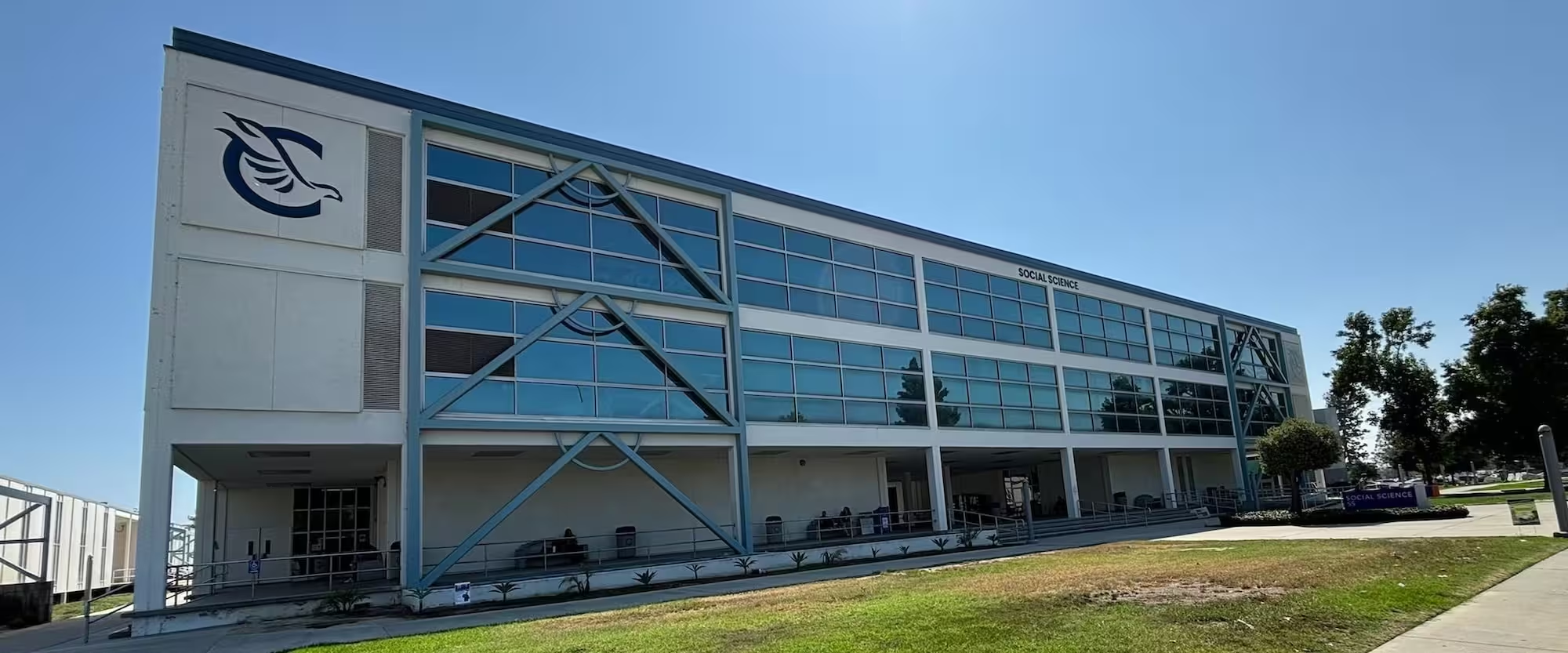
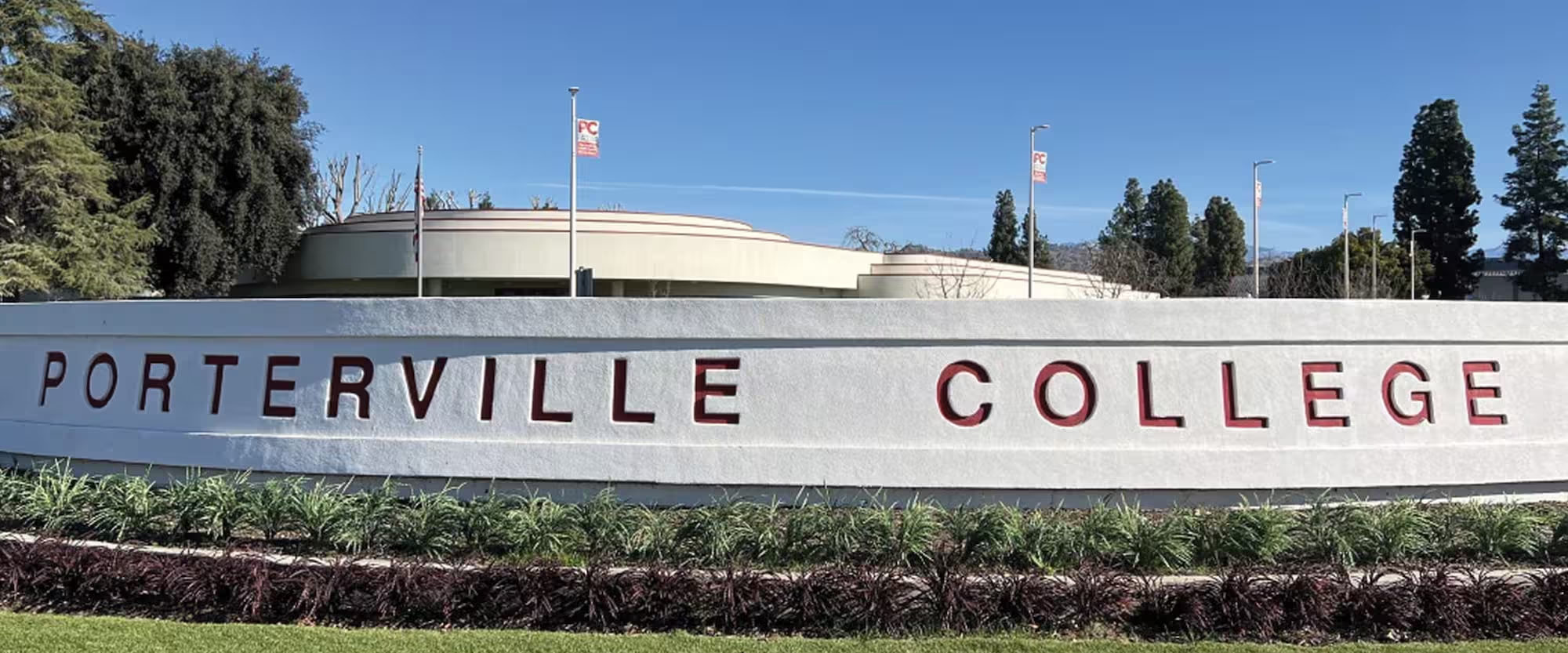
Choose online, hybrid, or in-person study at select campuses and learning centers.


How NU Supports Your Success
NU’s Whole Human Education™ provides flexible, supportive, and career-focused education for the way you live and learn.


Faculty Mentorship
Learn from experienced faculty with real-world industry insight.

Learning Resources
Access free tutoring and academic resources to support your success.

Transfer-Friendly Pathways
Apply prior college credit or professional experience to finish your degree faster.

Career Support
Strengthen your career potential with career counseling, professional development, and job search tools.

Take Your Expertise Further
Learn more about our career-focused programs and flexible options for working professionals.
Frequently Asked Questions
Yes. A bachelor’s degree in criminal justice can provide a strong foundation in law, courts, and public policy while developing research, writing, and critical-thinking skills that translate well to legal studies. Graduates may choose to continue their education by pursuing a Juris Doctor (JD) or other graduate degree.
Criminal justice and criminology are closely related fields, but they approach crime from different perspectives. Criminal justice focuses on how the justice system operates, including law enforcement, courts, and corrections. Criminology examines the factors behind criminal behavior, drawing on areas such as psychology and sociology.
Yes, criminal justice is a good major if you’re interested in the law or public safety. Earning your degree can help you become a police officer, private detective, crime scene investigator, homeland security, legal support, and more. You’ll learn how the justice system works and build skills in communication, ethics, and problem-solving.
Criminal justice students can use the time spent earning their bachelor’s degree to make progress in the MSCJA, MFS, or MPA programs.
How It Works:
- Student must be enrolled in the Bachelor’s in Criminal Justice program and have a cumulative GPA of 3.0
- Student must be within completing their last six (6) courses
- Eligible students can enroll in two (2) courses in MSCJA, MFS, or MPA programs as bachelor’s degree electives
- Transition graduate electives are restricted to courses with no prerequisite. All transition coursework must be completed with a grade of “B” or better. Through the transition program, students can reduce their course load to as few as ten classes to earn their degree.
- Graduate-level course work taken as part of the criminal justice administration program cannot be applied to the Master of Criminal Justice Program, Master of Forensic Science Program, or Master of Public Administration Program
Yes. National University welcomes transfer students, and eligible prior college coursework may be applied toward the BSCJA’s 120-semester-credit requirements. An admissions advisor can help determine how your previous coursework may apply toward your degree.
National University offers the BS in Criminal Justice Administration online, in person at select locations, and in a hybrid format. Whichever option you choose, you’ll receive the same quality education with access to experienced faculty, academic support, and student resources.
National University’s BS in Criminal Justice Administration develops your understanding of law, public safety, and the systems and processes that support the administration of justice. The degree can prepare you for opportunities across law enforcement, investigations, corrections, security, public safety, and related fields, as well as graduate or law school.
Career paths may include:
- Police and sheriff’s patrol officers: Serve communities through local, state, and federal agencies, as well as public safety roles at schools, colleges, hospitals, and other organizations
- Detectives and criminal investigators: Investigate crimes, gather evidence, interview witnesses, and support criminal cases
- Law enforcement supervisors: Lead officers and teams, coordinate operations, and oversee day-to-day law enforcement activities
- Public safety telecommunicators: Support emergency response as 911, police, fire, and public safety dispatchers
- Security and corrections professionals: Pursue opportunities in corrections, corporate security, loss prevention, fraud, emergency management, and other public safety settings
- Federal law enforcement professionals: Explore career paths with agencies such as the FBI, DEA, U.S. Customs and Border Protection, U.S. Fish and Wildlife Service, Secret Service, ATF, and U.S. Marshals Service
Hear from Our Graduates
Working professionals who turn their degree into leadership impact.


The experience was valuable in every way: affordable, flexible, and focused on working professionals. The flexibility made it possible to balance work, life, and school, and every class offered new insights that I could apply directly to leadership and our justice system.
Kelly M.
San Diego County Sheriff’s Department, Class of 2021
My favorite part of the program was the staff and students. The faculty were professional and had previous experience working in some aspect of criminal justice, not just teaching about it.
Dennis R.
BS in Criminal Justice Administration, Class of 2021

As a Navy Veteran, it means the world to have a school show the military and its Veterans so much respect and love for our time and service.
Kareece B.
Veteran, Class of 2024
Program Disclosure
Successful completion and attainment of National University degrees do not lead to automatic or immediate licensure, employment, or certification in any state/country. The University cannot guarantee that any professional organization or business will accept a graduate’s application to sit for any certification, licensure, or related exam for the purpose of professional certification.
Program availability varies by state. Many disciplines, professions, and jobs require disclosure of an individual’s criminal history, and a variety of states require background checks to apply to, or be eligible for, certain certificates, registrations, and licenses. Existence of a criminal history may also subject an individual to denial of an initial application for a certificate, registration, or license and/or result in the revocation or suspension of an existing certificate, registration, or license. Requirements can vary by state, occupation, and/or licensing authority.
NU graduates will be subject to additional requirements on a program, certification/licensure, employment, and state-by-state basis that can include one or more of the following items: internships, practicum experience, additional coursework, exams, tests, drug testing, earning an additional degree, and/or other training/education requirements.
All prospective students are advised to review employment, certification, and/or licensure requirements in their state, and to contact the certification/licensing body of the state and/or country where they intend to obtain certification/licensure to verify that these courses/programs qualify in that state/country, prior to enrolling. Prospective students are also advised to regularly review the state’s/country’s policies and procedures relating to certification/licensure, as those policies are subject to change.
National University degrees do not guarantee employment or salary of any kind. Prospective students are strongly encouraged to review desired job positions to review degrees, education, and/or training required to apply for desired positions. Prospective students should monitor these positions as requirements, salary, and other relevant factors can change over time.
*Positions may require additional experience, training, and other factors beyond successfully completing this degree program. Depending on where you reside, many positions may also require state licensure, and it is the responsibility of the student to ensure that all licensure requirements are met. We encourage you to also review program-specific requirements. Any data provided on this page is for informational purposes only and does not guarantee that completion of any degree program will achieve the underlying occupation or commensurate salary.