
You already know that there are different types of nurses, but you might be surprised to learn just how many, at least 39 distinctions to begin with, and even that only scratches the surface of the myriad professional opportunities this rapidly growing field has to offer. But with so many career paths to explore, how do you know which one to choose?
If you’re passionate about advancing medical care while improving the lives of patients, and you think you might be interested in becoming a nurse or nursing assistant, the first step is to determine which field of nursing best aligns with your talents, skills, interests, and goals. This guide to 39 types of nurses and what they do will help you get started.

Key Findings: 39 Types of Nurses and Nursing Specialties
- Expansive Career Options: Nursing offers at least 39 distinct specialties, ranging from entry-level roles like Certified Nursing Assistant (CNA) to advanced practice fields such as Nurse Practitioner (NP) and Certified Registered Nurse Anesthetist (CRNA).
- Strong Job Growth: Nursing continues to be a high-demand field, with registered nurse (RN) employment projected to grow 5% from 2024 to 2034, while advanced roles like NPs, nurse anesthetists, and nurse midwives are projected to grow 35%, much faster than average.
- Wide Salary Range: Salaries vary significantly by specialty and education level. Entry-level roles such as CNAs earn around $39,530, while advanced roles like CRNAs, PMHNPs, and Nurse Midwives can exceed $130,000–$167,000 annually.
- Diverse Work Environments: Nurses can work in hospitals, schools, military bases, private practices, rehabilitation centers, community health settings, and even travel internationally as Travel Nurses.
- Education Pathways: Nursing careers span from certificate and associate programs to advanced doctoral degrees. Many specialties require BSN or MSN degrees, and some advanced practice roles (e.g., CRNA, DNAP) will increasingly require doctoral-level preparation.

The 5 Levels of Nursing: From CNA to Advanced Practice
Nursing isn’t a single job, it’s a ladder you can climb. Each level builds on the one before it, and with every credential you earn, your responsibilities, autonomy, and earning potential generally rise. Here’s how the path stacks up, from your first certificate to advanced practice.
Certified Nursing Assistant (CNA)
This is the entry point. A CNA completes a state-approved training program and helps patients with daily care under the supervision of nurses. The U.S. Bureau of Labor Statistics reports a median annual wage of $39,530 for nursing assistants (May 2024).
Licensed Practical or Licensed Vocational Nurse (LPN/LVN)
The next step up usually takes about one year in a practical nursing program. LPNs and LVNs provide basic bedside care and monitor patients. The BLS lists a median annual wage of $62,340 for this role (May 2024).
Registered Nurse (RN)
RNs carry a much broader scope of care, and most employers now prefer a Bachelor of Science in Nursing (BSN). It’s the credential that opens the most doors. The BLS reports a median annual wage of $93,600 for registered nurses (May 2024), and the field is projected to grow 5% from 2024 to 2034.
Advanced Practice Registered Nurse (APRN)
APRNs, including nurse practitioners, nurse midwives, and nurse anesthetists, practice with the most independence. These roles require a master’s or doctoral degree. The combined median annual wage for the APRN group is $132,050 (May 2024), and employment is projected to grow 35% from 2024 to 2034, far above the 3% average across all occupations.
| Level | Typical Credential | Median Annual Wage (BLS, May 2024) | NU Pathway |
|---|---|---|---|
| CNA | State-approved certificate | $39,530 | Licensed Vocational Nurse to Registered Nurse Program |
| LPN/LVN | 1-year practical nursing program | $62,340 | Licensed Vocational Nurse to Registered Nurse Program (step up to RN) |
| RN | Bachelor of Science in Nursing (BSN) | $93,600 | Bachelor of Science in Nursing (RN-BSN) |
| APRN (NP/CNM/CRNA) | Master’s or doctoral degree | $132,050 (combined APRN group) | Master of Science in Nursing; Doctor of Nurse Anesthesia Practice (DNAP) |
So which type of nurse earns the most? Certified Registered Nurse Anesthetists (CRNAs). The BLS names nurse anesthetists as the highest-paid non-physician healthcare occupation, with a mean annual wage of $248,320 as of May 2025. One thing to keep straight: the $132,050 figure above is the combined median for the whole APRN group, nurse practitioners, nurse midwives, and nurse anesthetists together, not CRNAs on their own.
Wherever you are on that ladder, there’s a way forward. National University’s nursing programs offer a pathway at every level, with monthly start dates and WSCUC accreditation, so you can keep balancing work AND family AND earning your nursing degree.

Nursing Specialties, Descriptions, and Salaries
Between factors like the national nursing shortage, aging U.S. population, increased emphasis on preventive care, and complexity of medical technology, the demand for nurses is at a high. The U.S. Bureau of Labor Statistics estimates that certain nursing professions, such as that of Registered Nurse or RN, will enjoy slightly above-average growth in the coming decade, stating, “Employment of registered nurses is projected to grow 5% from 2024 to 2034″, which is faster than the average job growth for all occupations.
Of course, as we discussed at the beginning of this guide, becoming an RN is only one of the numerous paths that are open to students who are interested in careers in nursing. There are dozens of nursing careers to explore, with 39 examples featured in this guide, including:
- Adult-Gerontology Nurse Practitioner (AGNP)
- Bariatric Registered Nurse
- Cardiac Nurse
- Certified Nursing Assistant (CNA)
- Certified Registered Nurse Anesthetist (CRNA)
- Clinical Nurse Specialist (CNS)
- Clinical Nurse Supervisor
- Critical Care Nurse
- Emergency Room Nurse
- Family Nurse Practitioner (FNP)
- Forensic Nurse
- Health Informatics Nurse Specialist
- Home Care Registered Nurse
- Intensive Care Unit (ICU) Registered Nurse
- Labor and Delivery Nurse
- Licensed Practical Nurse (LPN)
- Licensed Vocational Nurse (LVN)
- Managed Care Nurse
- Medical-Surgical Nurse
- Mental Health Nurse
- Military Registered Nurse
- Neonatal Nurse
- Nurse Anesthesia Practice
- Nurse Educator
- Nurse Midwife
- Nursing Administrator
- Oncology Registered Nurse
- Orthopedic Nurse
- Pediatric Nurse
- Plastic Surgery Registered Nurse
- Post-Anesthesia Care Unit (PACU) Nurse
- Psychiatric Mental Health Nurse Practitioner (PMHNP)
- Public Health Nurse
- Radiology Nurse
- Registered Nurse (RN)
- Rehabilitation Registered Nurse
- School Nurse
- Travel Nurse
- Women’s Health Nurse
If you’ve been wondering, “What are the different types of nurses?” or “Which type of nursing program is right for me?” then read on to start discovering the answers.
1. Registered Nurse (RN)
Education Requirements: Bachelor’s degree or higher, such as a Bachelor of Science in Nursing (BSN) degree.
Median Salary: $93,600
Career Outlook: 5% projected job growth from 2024 to 2034, faster than average.
Job Description: As a Registered Nurse, you’ll work in settings like residential care facilities, hospitals, or government offices performing tasks and duties like recording and monitoring patients; performing essential procedures; and helping to communicate information between patients and physicians. Some RNs choose to specialize in a specific work environment and/or field of healthcare, such as rehabilitation RNs, plastic surgery RNs, or military RNs, all of which you’ll find more information about on this list.
2. Critical Care Registered Nurse (CCRN)
Education Requirements: Associate’s, bachelor’s, or master’s degree in nursing (respectively ADN, BSN, or MSN), with a BSN or MSN preferred by many employers.
Median Salary: As registered nurses, CCRNs earn a median of $93,600 (BLS, May 2024), though pay varies by specialty, setting, certification, and experience.
Career Outlook: The BLS does not provide job growth estimates specific to CCRNs, but states that “rapid employment growth [is] projected for nurses” in all fields due to factors like “an emphasis on preventive care, rising rates of chronic conditions, and an aging population.”
Job Description: Critical care nurses help to provide care for patients who are suffering from critical or life-threatening injuries and illnesses, such as cleaning wounds, assessing treatment needs, infusing blood, and administering medications

3. Licensed Practical Nurse (LPN)
Education Requirements: LPNs require a postsecondary non-degree award, such as a nursing certificate. Explore a variety of certificate programs in nursing and healthcare at National University.
Median Salary: $62,340
Career Outlook: 3% projected job growth from 2024 to 2034, about as fast as average.
Job Description: As an LPN, you’ll be responsible for tasks like providing basic care and treatment, monitoring and recording patients, discussing care plans and answering patients’ questions, and facilitating communication between patients and healthcare professionals.
4. Clinical Nurse Specialist (CNS)
Education Requirements: You’ll need a Master of Science in Nursing (MSN) degree, generally with a requirement to complete a clinical nurse specialist track.
Median Salary: The BLS groups clinical nurse specialists with registered nurses, who earn a median of $93,600 (BLS, May 2024); pay varies by specialty, setting, certification, and experience.
Career Outlook: According to ExploreHealthCareers.org, the career outlook for clinical nurse specialists is “excellent,” with “[the] demand for advanced practice nurses, like clinical nurse specialists.
Job Description: A clinical nurse specialist, or CNS, is a type of Advanced Practice Registered Nurse (APRN). A CNS is chiefly focused on improving patient outcomes; a task they approach through a dynamic blend of teaching, researching, and providing care.
Learn More About Our Nursing Programs by Degree Level
Knowing the different types of nurses is one thing. Choosing your own path is another. NU’s School of Health Professions lays out every nursing and healthcare degree we offer, in a four-week or eight-week course format built for people already working. Take a look at where your next step could lead.

Online, hybrid, and on-campus

WASC Accredited

Transfer friendly

Military Friendly
5. Emergency Room Registered Nurse
Education Requirements: RNs, including Emergency Room RNs, are generally required to attain a bachelor’s degree or higher, such as an accredited BSN degree from National University. Some employers, however, may accept applicants with an Associate’s Degree in Nursing (ADN).
Median Salary: As registered nurses, ER RNs earn a median of $93,600 (BLS, May 2024), though pay varies by specialty, setting, certification, and experience.
Career Outlook: RNs like emergency room nurses have a promising job outlook over the next decade, with BLS data pointing to 5% growth from 2024 to 2034.
Job Description: As an ER nurse, you’ll be working under intense pressure to help save lives with patients who are seriously injured or ill. Your duties might include examining patients, recording their histories, triaging patients, and consulting with physicians about patient care.
6. Licensed Vocational Nurse (LVN)
Education Requirements: Postsecondary non-degree award, such as a certificate in nursing.
Median Salary: $62,340
Career Outlook: 3% projected job growth, or about as fast as average.
Job Description: As an LVN, you’ll administer basic but critical care to patients, such as applying and changing bandages or recording blood pressure readings. You’ll also assist patients with routine tasks such as getting dressed, discussing treatment plans and monitoring patients’ vital signs.
7. Certified Registered Nurse Anesthetist (CRNA)
Education Requirements: As of 2025, CRNAs are required to hold a doctoral degree, such as a Doctorate of Nurse Practice (DNP) or Doctorate of Nursing Anesthesia Practice (DNAP). Students who are enrolling prior to 2025 should be mindful of this upcoming shift and how it will affect their competitiveness in the workplace.
Median Salary: The BLS reports $223,210 for nurse anesthetists (May 2024).
Career Outlook: The BLS projects 9% growth from 2024 to 2034 for nurse anesthetists, still faster than the 3% national average.
Job Description: CRNAs are APRNs who administer anesthesia and other medications, in addition to monitoring patients’ vital signs and managing other care tasks.
8. Cardiac Registered Nurse
Education Requirements: RNs generally need to attain a BSN degree or higher.
Median Salary: As registered nurses, cardiac nurses earn a median of $93,600 (BLS, May 2024), though pay varies by specialty, setting, certification, and experience.
Career Outlook: 5% projected job growth from 2024 to 2034, faster than average.
Job Description: A cardiac nurse is a nurse who specializes in heart health and cardiology. A cardiac nurse might work in a long-term care facility, a hospital or its ICU, a clinic, or in another type of setting. Their duties generally include using medical devices, aiding with surgeries, and communicating with patients suffering from chronic or acute conditions like cardiac arrest and heart failure.
9. Family Nurse Practitioner (FNP)
Education Requirements: You’ll need a relevant master’s degree, like your MSN, to become an FNP or nurse practitioner.
Median Salary: Over $132,050
Career Outlook: FNPs have an exceptionally bright career outlook for the next decade, with the BLS projecting an incredible 35% increase in jobs, significantly more than the 3% national average.
Job Description: A Family Nurse Practitioner, or FNP, is responsible for a wide range of tasks and responsibilities, such as conducting diagnostic tests, creating and implementing personalized care plans, examining patients for symptoms or injuries, and treating patients for both chronic and acute illnesses. Learn more about how to become a nurse practitioner, or explore National University’s accredited Family Nurse Practitioner Certificate program, which can be partially completed online.
10. Adult-Gerontology Nurse Practitioner (AGNP)
Education Requirements: AGNPs require an MSN or higher.
Median Salary: Over $132,050
Career Outlook: As the population ages, AGNPs or geriatric nurses will be in high demand. As the population ages, geriatric nurses are among the nursing roles in high demand, along with ICU nurses.
Job Description: As an AGNP, you’ll generally be focused on providing treatment for older adults, who have unique health needs and challenges related to the aging process, such as reduction of bone density and susceptibility to fractures. Your day-to-day duties might involve assisting your patients with tasks (such as bathing or dressing), monitoring vital signs, and administering medication.

11. Rehabilitation Registered Nurse
Education Requirements: Bachelor’s degree or higher, such as a Bachelor of Science in Nursing (BSN) degree.
Median Salary: Median salary of $93,600 per year.
Career Outlook: RNs like Rehabilitation Registered Nurses have a good job outlook over the coming decade, with BLS data estimating 5% growth.
Job Description: While many people associate the term “rehabilitation” with substance abuse disorders, in this context the term refers to the rehabilitation of patients who are disabled or chronically ill. As a rehabilitation RN, you’ll have duties like developing and implementing care and discharge plans, communicating with patients’ families, and supervising ancillary nurses, with opportunities to work in both outpatient and inpatient work settings
12. Nurse Anesthesia Practice (DNAP)
Education Requirements: You’ll need a doctoral degree to explore this career. National University offers an accelerated, accredited Doctor of Nurse Anesthesia Practice (DNAP) degree program, which you can learn more about here.
Median Salary: The BLS reports $223,210 for nurse anesthetists (May 2024).
Career Outlook: The BLS estimates that jobs in the nurse anesthetist field will increase by 9% from 2024 to 2034, faster than the 3% national average.
Job Description: As a nurse who holds a DNAP degree, a doctorate degree available at National University, you’ll specialize in the safe use and administration of anesthesia. You may work in settings like clinics, hospitals, dental offices, or delivery rooms.
13. Plastic Surgery Registered Nurse
Education Requirements: You’ll need a BSN or higher to become an RN, and may also wish to pursue a specialty certification, such as becoming a Certified Plastic Surgical Nurse (CPSN).
Median Salary: RNs earn a median salary of $93,600 per year.
Career Outlook: 5% projected job growth from 2024 to 2034, faster than average.
Job Description: As a Plastic Surgery Registered Nurse, your career will be focused on providing care for patients at all stages of the reconstructive surgery process. You’ll screen patients’ and review their histories, perform non-invasive procedures like administering Botox, monitor the healing process, and help facilitate communication between physicians and patients.
14. Bariatric Registered Nurse
Education Requirements: You’ll need a BSN or higher to become an RN.
Median Salary: As registered nurses, bariatric nurses earn a median of $93,600 (BLS, May 2024).
Career Outlook: 5% projected job growth from 2024 to 2034, faster than average.
Job Description: Bariatric nurses specialize in providing treatment and care for patients with health complications related to obesity. You’ll monitor patients at various stages of bariatric surgery and work to develop appropriate follow-up plans and help minimize the risk of complications.
15. Radiology Registered Nurse
Education Requirements: You’ll need a BSN or higher to become an RN.
Median Salary: As registered nurses, radiology nurses earn a median of $93,600 (BLS, May 2024), though pay varies by specialty, setting, certification, and experience.
Career Outlook: 5% projected job growth from 2024 to 2034, faster than average.
Job Description: According to the National Library of Medicine, Radiology RNs “routinely start or check peripheral IVs, assess ports, administer medications, monitor vital signs, suction patients, insert foleys and help patients with their personal needs.”

16. Certified Nursing Assistant (CNA)
Education Requirements: You’ll need to complete a state-approved training program, which varies by state.
Median Salary: $39,530
Career Outlook: 2% job growth, or slower than average.
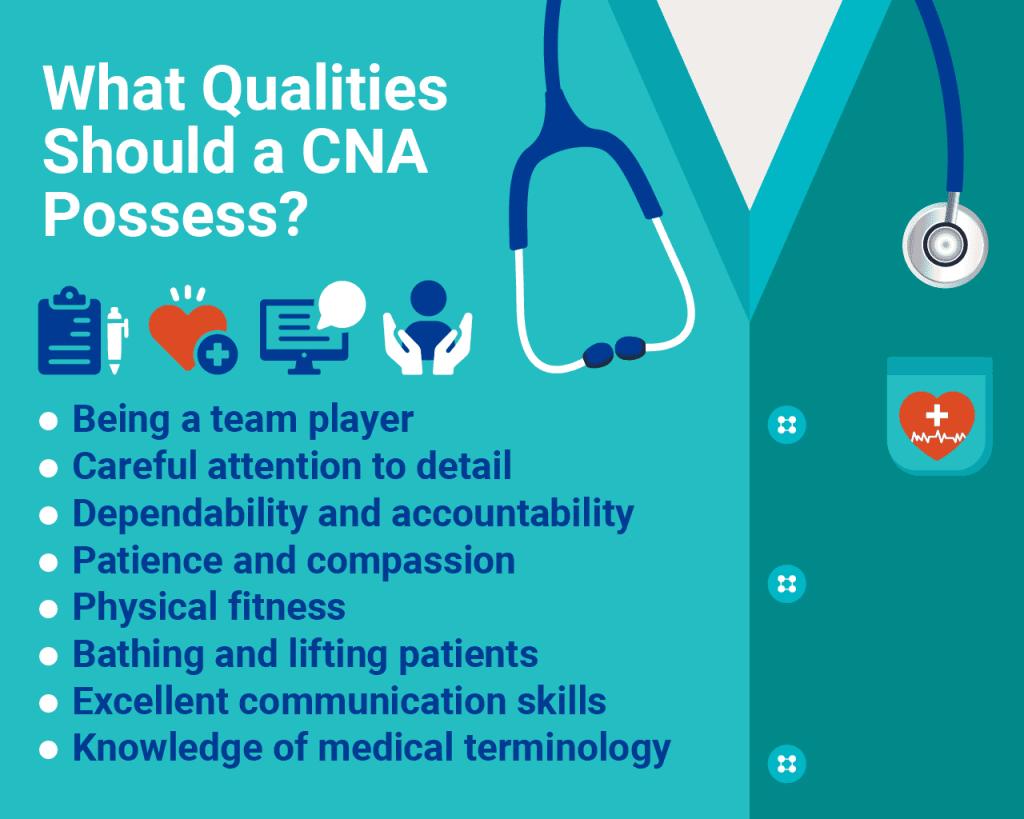
Job Description: Certified Nursing Assistants (CNAs)s assist patients with the daily tasks of living and hygiene, such as bathing, eating, dressing, and using the toilet. CNAs also record patients’ vital signs and communicate information about patients to other nurses.
17. Nurse Educator
Education Requirements: Like other postsecondary teachers and professors, nurse educators will generally need to hold a PhD or other form of doctoral degree.
Median Salary: $83,980
Career Outlook: The BLS expects postsecondary education professions, like being a nurse educator, to grow by 7%, about the national average, from 2024 to 2034.
Job Description: If you’re equally passionate about healthcare and education, consider a career that fuses elements of both, like a career as a nurse educator. In this role, your job duties will involve teaching nursing students, planning course curricula, and monitoring the progress your students are making, and providing them with feedback.
18. ICU Registered Nurse
Education Requirements: In addition to your BSN or ADN, you’ll also need special ICU certification, such as the Certification for Adult Critical Care Nurses (CCRN), which is awarded by the American Association of Critical Care Nurses.
Median Salary: RNs earn a median salary of $93,600 per year (BLS, May 2024). Specialized critical-care training and certifications can raise earning potential.
Career Outlook: All fields of nursing are in high demand, with ICU nurses (along with AGNPs, also featured on this list) among the greatest needs.
Job Description: An ICU Registered Nurse, or Intensive Care Unit RN, works in fast-paced, high-pressure situations to help provide life-saving care to patients who are seriously injured or ill. As an ICU nurse, your duties might involve assessing patients, providing hands-on care, and administering medications or other treatment.
19. Labor and Delivery Nurse
Education Requirements: ADN or BSN at minimum, with most employers preferring a BSN or higher.
Median Salary: As registered nurses, labor and delivery nurses earn a median of $93,600 (BLS, May 2024), though pay varies by specialty, setting, certification, and experience.
Career Outlook: While the BLS does not provide job growth estimates specific to labor and delivery nurses, RN jobs are expected to increase by 5% from 2024 to 2034, with nursing jobs in high demand across fields.
Job Description: You’ll perform a variety of tasks at all stages of labor and delivery to help achieve safer, healthier, better outcomes for babies and mothers. You’ll be responsible for duties like assessing fetal health and identifying possible complications, assisting and managing labor, providing support on key issues such as breastfeeding or postpartum depression, and helping to educate new parents about how to provide proper infant care.
20. Orthopedic Registered Nurse
Education Requirements: MSN or a doctorate degree in nursing.
Median Salary: As registered nurses, orthopedic nurses earn a median of $93,600 (BLS, May 2024), though pay varies by specialty, setting, certification, and experience.
Career Outlook: 5% projected job growth from 2024 to 2034, faster than average.
Job Description: As an orthopedic nurse, you’ll specialize in a patient population with musculoskeletal conditions or injuries. Your job duties may include dressing wounds, assessing patients’ symptoms, assisting with motion therapy, and working with patients to help ensure they receive proper follow-up care after surgery.
21. Registered Mental Health Nurse
Education Requirements: You will need your ADN or BSN degree to become a mental health or psychiatric nurse.
Median Salary: As registered nurses, mental health nurses earn a median of $93,600 (BLS, May 2024), though pay varies by specialty, setting, certification, and experience.
Career Outlook: RNs like Registered Mental Health Nurses have a strong job outlook, with the BLS projecting 5% growth in this field from 2024 to 2034.
Job Description: Over 59 million Americans struggle with a mental health disorder, but as a Registered Mental Health Nurse, you can help make a positive difference. Typical job duties in this type of nursing role include assessing patients’ mental health, making treatment recommendations, and working with behavioral health staff to help design appropriate, personalized care plans.
22. Public Health Registered Nurse
Education Requirements: In addition to earning your BSN and becoming an RN, you’ll also need to earn certification as a Certified Public Health (CPH) Nurse.
Median Salary: As registered nurses, public health nurses earn a median of $93,600 (BLS, May 2024), though pay varies by specialty, setting, certification, and experience.
Career Outlook: The COVID-19 pandemic has shed light on the pressing need for public health experts nationwide. RNs like public health nurses have a solid job outlook over the coming decade, with BLS data estimating 5% growth from 2024 to 2034.
Job Description: Public health nurses work to improve the strength and speed of our systems for dealing with public health issues, such as immunization, environmental illness, communicable illness, and infant mortality.
23. Oncology Registered Nurse
Education Requirements: You’ll need a BSN or higher to become an RN.
Median Salary: RNs earn a median salary of $93,600 per year.
Career Outlook: 5% projected job growth from 2024 to 2034, faster than average.
Job Description: Oncology nurses specialize in providing care to cancer patients at all stages of the treatment process. Your job duties might include tasks such as creating and implementing care plans, administering medications to patients, and finding ways to effectively manage and mitigate patients’ symptoms.

24. Health Informatics Nurse Specialist
Education Requirements: You’ll need to obtain your BSN to enter the field of health informatics.
Median Salary: Informatics nurses are registered nurses, who earn a median of $93,600 (BLS, May 2024); pay varies by specialty, setting, certification, and experience.
Career Outlook: The BLS does not provide job growth estimates specific to health informatics nurse specialists. However, employment among RNs, along with medical records and health information specialists, is expected to grow by 7% from 2024 to 2034 which is “about as fast as average.”
Job Description: Health informatics deals with transitioning successfully from paper records to electronic and digital databases with the end goal of delivering better and more efficient patient care. As a Health Informatics Nurse Specialist, you’ll be responsible for duties and tasks such as analyzing data, monitoring computer systems and programs for quality and accuracy, contributing insight to policymakers, and working to develop more reliable Electronic Health Records (EHR) systems.
If you’re fascinated by the intersection between technology and healthcare and the potential it has to offer toward improved patient care and outcomes, a career in health informatics may be the perfect fit for your interests.
25. Home Care Registered Nurse
Education Requirements: You’ll need a BSN or higher to become an RN, and may also wish to pursue a specialty certification, such as becoming a Certified Plastic Surgical Nurse (CPSN).
Median Salary: As registered nurses, home care nurses earn a median of $93,600 (BLS, May 2024), though pay varies by specialty, setting, certification, and experience.
Career Outlook: Employment of registered nurses is projected by the BLS to grow by 5%, faster than average, from 2024 to 2034.
Job Description: As a Home Care RN (also referred to as a Home Health RN or Home Health Nurse), your career will be focused around providing in-home care to your patients. Your specific tasks and duties may, for instance, include examples like cleaning wounds or sores, changing bandages and dressing, and administering medications and at-home IVs.
26. Clinical Nurse Supervisor
Education Requirements: Clinical nurse supervisors are required to hold a BSN or higher.
Median Salary: Clinical nurse supervisors are experienced registered nurses, who earn a median of $93,600 (BLS, May 2024); pay varies by specialty, setting, certification, and experience.
Career Outlook: Unfortunately, the BLS does not provide job growth estimates specific to clinical nurse supervisors. However, other nursing professions are expected to grow from 5% (RNs) to 35% (NPs, nurse midwives, and nurse anesthetists).
Job Description: Here are just a few of the duties of a clinical nurse supervisor that are included in a real job description from the Children’s Hospital of Philadelphia, or CHOP: “implements systems that incorporate evidenced-based practice”; “assures regulatory compliance”; “assures efficient and cost-effective utilization of… resources”; and “coaches and supports unit based nursing leaders in effective management and leadership strategies.”
27. Medical-Surgical Registered Nurse
Education Requirements: RNs must generally obtain a BSN, or Bachelor of Science in Nursing degree.
Median Salary: As registered nurses, medical-surgical nurses earn a median of $93,600 (BLS, May 2024), though pay varies by specialty, setting, certification, and experience.
Career Outlook: Registered Nurse jobs are expected to grow by 5% from 2024 to 2034, according to BLS estimates.
Job Description: Also called an Operating Room (OR) Nurse or Perioperative Nurse, a Medical-Surgical RN is responsible for tasks like administering medications, discussing surgical procedures and aftercare with patients, and assisting physicians at all stages of surgery.

28. Nursing Administrator
Education Requirements: A BSN is typically the minimum required degree to become a nursing administrator. A more advanced degree will help to make you a more competitive job candidate.
Median Salary: $117,960
Career Outlook: While the BLS does not provide figures specific to nursing administrators, it does estimate employment growth of 23% which is much faster than average among healthcare administrators (who are also referred to as medical and health services managers, or, in some cases, healthcare executives).
Job Description: As a nursing administrator or nurse administrator, you’ll be in a leadership role that calls heavily on organizational and management skills. For example, you may be responsible for developing policies at your workplace, coordinating between various nursing departments and staff members, and planning and creating budgets.
29. Post-Anesthesia Care Unit (PACU) Nurse
Education Requirements: Unlike other nursing jobs that require you to hold a master’s or even doctoral degree, you can qualify for certain PACU nursing positions with your ADN or BSN, or by completing certain training programs which vary by state.
Median Salary: The BLS doesn’t publish a separate figure for PACU nurses, but as registered nurses they earn a median of $93,600 (BLS, May 2024).
Career Outlook: While the BLS does not provide job growth estimates specific to PACU nurses, other nursing professions are expected to grow from 5% (RNs) to 35% (NPs, nurse midwives, and nurse anesthetists).
Job Description: As a PACU Nurse, your role is to help provide care for patients who are transitioning back to consciousness after having been placed under anesthesia. For example, some of your responsibilities will generally include monitoring patients’ vital signs for irregularities and determining whether the anesthesia has caused any complications or side effects.
30. Travel Registered Nurse
Education Requirements: Like other RNs, travel nurses are required to hold a BSN or ADN, with a more advanced degree or additional certification making you a more competitive candidate.
Median Salary: The BLS doesn’t track travel nurses separately, but as registered nurses they earn a median of $93,600 (BLS, May 2024); travel assignments can pay more, especially in high-demand locations.
Career Outlook: The BLS does not provide job growth estimates specific to travel nurses. However, other nursing professions are expected to grow from 5% (RNs) to 35% (NPs, nurse midwives, and nurse anesthetists), with high demand for various fields and specialties.
Job Description: Want to travel the world or see more of the country, while also taking on the crucial task of providing care to underserved regions and alleviating nursing shortages in these areas? Consider an exciting career in travel nursing. Travel RNs administer medications to patients, conduct tests and exams, diagnose symptoms, and communicate information to physicians and healthcare professionals, among other tasks.
31. Certified Nurse-Midwife
Education Requirements: Like NPs and nurse anesthetists, nurse-midwives are generally required to hold a master’s degree, such as an MSN, or even a doctorate degree. To become a Certified Nurse-Midwife, you must pass an exam administered by the American Midwifery Certification Board.
Median Salary: $128,790
Career Outlook: Nurse-midwives have a very bright career outlook through 2034, with the BLS projecting an 11% increase in jobs from 2024 to 2034, faster than the 3% national average.
Job Description: Nurse-midwives work with supervision from gynecologists and/or obstetricians, providing obstetrical patients with care throughout every stage of the pregnancy and birth process. As a Certified Nurse-Midwife, your duties will include tasks such as conducting patient exams, monitoring the progress of the pregnancy, assisting with delivery, and educating new parents in the proper care of newborn infants.
32. Forensic Registered Nurse
Education Requirements: You’ll need a BSN or higher to become an RN, and may also wish to complete a forensic nursing certificate program, which could help increase your earning potential while opening additional work opportunities.
Median Salary: The BLS doesn’t track forensic nurses separately, but as registered nurses they earn a median of $93,600 (BLS, May 2024).
Career Outlook: Registered Nurses have a strong career outlook, including Forensic RNs. The BLS expects employment in these fields to grow by 5% over the coming decade.
Job Description: As a Forensic RN, you’ll be serving a patient population that consists of assault and abuse victims, survivors of human trafficking, and others. Your roles may include recording photographic evidence of injuries, gathering evidence, assisting coroners, and collaborating with members of law enforcement.
33. Military Registered Nurse
Education Requirements: You’ll need a BSN or higher to become an RN, and may also wish to pursue a specialty certification.
Median Salary: Pay varies by rank and branch, but as registered nurses, military nurses earn a median of $93,600 (BLS, May 2024).
Job Description: Military nurses perform many of the same roles and tasks as RNs in civilian settings. For instance, assessing the condition of patients, obtaining and recording patients’ medical histories and concerns, and administering medications to patients.

34. School Nurse
Education Requirements: You will need to hold a BSN, at minimum, if you wish to qualify for school nursing jobs.
Median Salary: The BLS doesn’t track school nurses separately, but as registered nurses they earn a median of $93,600 (BLS, May 2024).
Career Outlook: The BLS does not provide job growth data specific to school nurses. Other nursing professions, however, are expected to grow from 5% (RNs) to 35% (NPs, nurse midwives, and nurse anesthetists) through 2034, indicating that there will likely be average to above-average need for school nurses well into the future.
Job Description: As a school nurse, you’ll work with elementary, middle, or high school students to conduct health screenings (such as hearing tests), treat students for minor injuries such as cuts, assist students with managing their medications (such as proper use of inhalers for students who are diagnosed with asthma), and consult with teaching staff to help ensure that students’ wellbeing and safety is prioritized.
35. Certified Managed Care Nurse (CMCN)
Education Requirements: You will need your ADN or BSN to qualify for CMCN positions.
Median Salary: As registered nurses, managed care nurses earn a median of $93,600 (BLS, May 2024), though pay varies by specialty, setting, certification, and experience.
Career Outlook: While there is no BLS data on job growth for managed care nurses, other nursing careers are expected to grow from 5% (such as RNs) to 35% (such as nurse-midwives).
Job Description: As a Certified Managed Care Nurse, you’ll coordinate with people and organizations at all points in the healthcare system, from physicians to health insurance companies, in order to advocate effectively for your patients while minimizing their costs and expenses.
36. Pediatric Care Registered Nurse
Education Requirements: You’ll need an ADN or BSN in order to become a pediatric nurse.
Median Salary: As registered nurses, pediatric nurses earn a median of $93,600 (BLS, May 2024), though pay varies by specialty, setting, certification, and experience.
Career Outlook: The BLS estimates that RN employment will grow by 5% from 2024 to 2034.
Job Description: Do you love working with children and families? Then consider a career in pediatric nursing. As a pediatric nurse, you’ll be an APRN handling tasks and responsibilities like assessing patients’ symptoms, obtaining and recording the medical histories of your patients, conducting diagnostic tests, and administering medications.
37. Women’s Health Nurse Practitioner (WHNP)
Education Requirements: WHNPs are generally required to obtain a BSN at minimum and may be required to hold an MSN for certain positions.
Median Salary: $129,210
Career Outlook: Aspiring WHNPs and other nurse practitioners have an extremely promising job outlook from 2024 to 2034, with the BLS projecting 40% job growth for nurse practitioners during this period.
Job Description: The American Association of Nurse Practitioners (AANP) describes the role of a Women’s Health Nurse Practitioner (WHNP) as being “to assess, diagnose, and treat the health care needs of women throughout their lifespan.” This involves a wide range of tasks and responsibilities, from providing pregnancy tests and post-menopausal care, to discussing contraceptive methods as well as screening women for signs of breast cancer.
38. Neonatal Nurse
Education Requirements: An ADN or BSN is generally required to become a Neonatal Nurse. National University offers a range of accredited associate’s and bachelor’s degree programs in nursing and healthcare to help you reach your professional targets.
Median Salary: NICU nurses are registered nurses, who earn a median of $93,600 (BLS, May 2024); pay varies by specialty, setting, certification, and experience.
Career Outlook: While there is no BLS estimate on job growth for NICU or Neonatal Nurses, other nursing careers are expected to grow from 5% (such as RNs) to 35% (such as NPs).
Job Description: Neonatal Nurses are also called NICU Nurses. In this field, you’ll be responsible for monitoring patients’ vital signs, performing various neonatal tests throughout all stages of pregnancy, and assisting with the development of care plans.
39. Psychiatric Mental Health Nurse Practitioner (PMHNP)
39. Psychiatric Mental Health Nurse Practitioner (PMHNP)
Education Requirements: Becoming a PMHNP generally requires a master’s or doctoral degree, such as an MSN. If you’re interested in becoming a PMHNP, consider applying to National University’s accredited PMHNP Certificate program, which you can learn more about here.
Median Salary: $129,210
Career Outlook: There is no BLS job growth data for PMHNPs, but other nursing careers are expected to grow from 5% (such as registered nurses) to 40% (such as NPs) from 2024 to 2034.
Job Description: According to the AANP, “The role of the Psychiatric Mental Health Nurse Practitioner is to assess, diagnose and treat the mental health needs of patients.” The AANP also adds, “Many PMHNPs provide therapy and prescribe medications for patients who have mental health disorders or substance abuse problems.”
Lastly, it’s important to note that, in addition to earning a degree, you may be required to pass professional exams, and may wish to earn optional certifications. For example, the NCLEX-RN, administered by the National Council of State Boards of Nursing (NCSBN), is necessary if your goal is to become a licensed registered nurse. Clinical experience and complete fieldwork are required, which vary by state.

Which Nursing Specialization Interests You?
There’s no need to wait to embark on an exciting and rewarding new career! Get started on your nursing journey today. National University offers a variety of nursing programs and certificates with options to complete part of your coursework online. Explore our accredited doctorate, graduate, undergraduate, and certificate programs in healthcare and nursing, including:
- Bachelor of Science in Nursing (BSN)
- Bachelor of Science in Nursing (BSN), Second Bachelor (California only)
- Master of Science in Nursing (MSN)
- Doctor of Nurse Anesthesia Practice (DNAP)
- Licensed Vocational Nurse to Registered Nurse Program (California only)
- Psychiatric Mental Health Nurse Practitioner (PMHNP) Certificate
- Family Nurse Practitioner (FNP) Certificate
Ready to request more information or begin the application process? Contact our admissions office for program details or apply to National University today.
Frequently Asked Questions
There are at least 39 nursing specialties, ranging from entry-level certified nursing assistants to advanced practice roles like nurse practitioners and CRNAs. They differ by care setting, patient population, education required, and pay. That variety is one of nursing’s biggest strengths, there’s a specialty to match almost any interest.
The path runs from CNA to LPN/LVN to RN to APRN. Each level requires more education than the one before it, and each typically pays more. Think of it as a ladder you can climb one credential at a time.
CRNAs are the highest-paid nursing role. According to the BLS, nurse anesthetists are the highest-paid non-physician healthcare occupation, with a mean annual wage of $248,320 as of May 2025. Reaching that role takes advanced education, but the earning potential is real.
Neither is “better”, they’re different points on the same journey. An RN is the foundation, and a nurse practitioner (NP) is an advanced APRN role that requires a master’s degree, offering more autonomy and higher earnings. Many nurses start as an RN and grow into an NP over time. National University supports that progression with an RN-BSN to Master of Science in Nursing pathway.
It depends on the level you’re aiming for. A certificate or state-approved program covers CNA and LPN roles, a BSN prepares you to become an RN, and a master’s or doctoral degree is required for APRN roles. National University offers programs across all of these levels, with monthly start dates so you can begin when you’re ready.


