
BUILD MARKETABLE DIGITAL MEDIA SKILLS
Bachelor of Arts in Digital Media Design
Accredited by

- 100%-online learning options
- 4-week courses that fit your schedule
- No application fee, essays, or exams

Format
Online

Completion Time
This program is designed to be completed within 48 months. Some students finish in as few as 21 months at an accelerated pace. Actual time to completion varies based on transfer credit, course availability, enrollment status, and academic progress.
21 Months*

Credits
120

Average Cost Per Credit
$640
Program Overview
Why Get a Bachelor of Arts in Digital Media Design?
National University’s Bachelor of Arts in Digital Media Design combines creative thinking with hands-on technical skills across graphic design, web and interactive design, audio/video production, motion graphics, game design, and AR/VR. Build experience taking digital media projects from concept to completion using industry-standard tools. Two project-based courses let you apply what you’ve learned to areas that interest you, culminating in a portfolio that showcases your creative and technical abilities and prepares you for opportunities across today’s digital media landscape.

Flexible for Working Professionals

Portfolio-Building Coursework

Experienced Faculty and Mentors

Dedicated Career Support
Career Impact
Explore current career data, including projected job growth and earning potential.

*Data Source: The career outcomes data presented is sourced from Lightcast, which provides insights based on real-time job postings, public datasets, and analytics. Lightcast derives its data from sources such as the Bureau of Labor Statistics (BLS), the Quarterly Census of Employment and Wages (QCEW), and the Occupational Employment Statistics (OES). While accurate and reliable, this data reflects general labor market trends and may not represent individual outcomes or specific local conditions. For more details on Lightcast’s methodology, visit their Data Overview.
Professional Pathways
Web and Digital Interface Designers
10,425
Job openings in the past year$97,429
Median SalaryFilm and Video Editors
4,417
Job openings in the past year$66,707
Median Salary
*Data Source: The career outcomes data presented is sourced from Lightcast, which provides insights based on real-time job postings, public datasets, and analytics. Lightcast derives its data from sources such as the Bureau of Labor Statistics (BLS), the Quarterly Census of Employment and Wages (QCEW), and the Occupational Employment Statistics (OES). While accurate and reliable, this data reflects general labor market trends and may not represent individual outcomes or specific local conditions. For more details on Lightcast’s methodology, visit their Data Overview.
What You’ll Learn and Apply







Admission and Degree Requirements
How to Apply

Admission highlights:
- Transfer-friendly admission process
- Flexible monthly start dates
- Online application with personalized support
- Year-round enrollment opportunities
- Guidance from dedicated admissions advisors
Application requirements:
- Completed online application
- Official transcripts from previously attended institutions
- Proof of high school diploma or equivalent
- Personal statement or educational goals statement
- Resume or relevant academic background information
Degree Requirements

Requirements include:
- 120 semester credit hours required for graduation
- Minimum 30 credit hours completed in residence at NU
- Minimum 51 credit hours completed at the upper-division level
- Minimum 46 credit hours of university general education requirements
- Completion of all required Digital Media Design coursework
Additional information:
- Maintain satisfactory academic progress
- Complete all required coursework, including portfolio design and final project courses
- Participate in collaborative and project-based learning experiences
- Develop a personal vision in the creation of original multimedia content

Explore Our Courses
Build advanced expertise in your field through career-relevant coursework.
Preparation for the Major
2 COURSES
Intro to Graphic Design
3.0 Semester Credit Hours
Prerequisite: ENG 102 with a minimum grade of C. Students must have proven college level writing skills to be successful in their written assignments in the program.
The course introduces students to movements and theories of art and graphic design that will be utilized in the creation of digital media assets. The course includes design tools and principles of digital media and their impact on culture.
Intro to Visual Storytelling
3.0 Semester Credit Hours
Prerequisite: ENG 102 with a minimum grade of C. Students must have proven college level writing skills to be successful in their written assignments in the program.; MUL 201 with a minimum grade of C. Students must have proven competency level to be successful in the more advanced subjects in the program.
This course is an introduction to visual storytelling where students appreciate and learn visual narrative concepts through project-based assignments. Students also examine the methods, time periods and cultural influences that impact the creation of visual storytelling.
Requirements for the Major
14 COURSES
Vector Graphics
3.0 Semester Credit Hours
Prerequisite: ENG 102; MUL 201 with a minimum grade of C. Students must have proven competency level to be successful in the more advanced subjects in the program. ; MUL 203 with a minimum grade of C. Students must have proven competency level to be successful in the more advanced subjects in the program.
The course covers concepts and tools used to create content through vector drawing tools for web, print, and mobile platforms.
Digital Image Compositing
3.0 Semester Credit Hours
Prerequisite: ENG 102 with a minimum grade of C. Students must have proven college level writing skills to be successful in their written assignments in the program.; MUL 201 Students must have proven competency level to be successful in the more advanced subjects in the program. ; MUL 203 Students must have proven competency level to be successful in the more advanced subjects in the program.
Students receive in-depth training in image composition and raster image editing.
Applied Graphic Design
3.0 Semester Credit Hours
Prerequisite: ENG 102; MUL 201 and MUL 203
Recommended: Prior completion of: MUL 308; MUL 312
The course prepares students to create and design digital content for electronic publication.
User Interface Design
3.0 Semester Credit Hours
Prerequisite: ENG 102 with a minimum grade of C. Students must have proven college level writing skills to be successful in their written assignments in the program.; MUL 201 with a minimum grade of C. Students must have proven competency level to be successful in the more advanced subjects in the program. ; MUL 203 with a minimum grade of C. Students must have proven competency level to be successful in the more advanced subjects in the program.
Hands-on introduction in the basics of user interface design for various platforms (i.e. web, mobile, etc.). Students will learn all phases of user interface design from conception to final output.
Applied Web Design
3.0 Semester Credit Hours
Prerequisite: ENG 102 with a minimum grade of C. Students must have proven college level writing skills to be successful in their written assignments in the program.; MUL 201 with a minimum grade of C. Students must have proven competency level to be successful in the more advanced subjects in the program. ; MUL 203 with a minimum grade of C. Students must have proven competency level to be successful in the more advanced subjects in the program.
Students will get hands-on training utilizing the principles and techniques of web design within the digital media industry. The course is an in-depth study of effective web page design using structured markup languages, and efficient site architecture. Students will engage in projects in content development, navigation, and usability (ie: UX – user experience) and deployment.
2-D Design & Interactivity
3.0 Semester Credit Hours
Prerequisite: Students must have proven college level writing skills to be successful in their written assignments in the program.; MUL 201 with a minimum grade of C. Students must have proven competency level to be successful in the more advanced subjects in the program. and MUL 203 with a minimum grade of C. Students must have proven competency level to be successful in the more advanced subjects in the program.
The course provides training in creating scalable and interactive 2-D vector based objects.
Camera and Image
3.0 Semester Credit Hours
A hands-on, project based exploration of the use of still and video cameras in production. Focus will be on a balance between the technical and the aesthetic. Essential camera functions are well known and timeless as the technology for image capture and replication advances rapidly.
Digital Video Editing
3.0 Semester Credit Hours
Prerequisite: ENG 102 with a minimum grade of C. Students must have proven college level writing skills to be successful in their written assignments in the program.; MUL 201 with a minimum grade of C. Students must have proven competency level to be successful in the more advanced subjects in the program. and MUL 203 with a minimum grade of C. Students must have proven competency level to be successful in the more advanced subjects in the program.
The course is designed to utilize within-subject design research strategies when conducting an applied behavior analytical experiment.
Motion Graphics Vis. Effects I
3.0 Semester Credit Hours
Prerequisite: ENG 102; COM 220
A hands-on course in motion graphics for broadcast, video, and film; the course presents the current software tools used to build and deliver motion graphics. Apply concepts and techniques of compositing layers of computer-generated imagery and live action video, special effects, camera movements and cinematic points of view, as well as the design of titling and motion imagery. Survey works of professional animators, directors, and producers to demonstrate industry-standard techniques.
Motion Graphics Vis Effects II
3.0 Semester Credit Hours
Prerequisite: ENG 102 with a minimum grade of C. Students must have proven college level writing skills to be successful in their written assignments in the program.; MUL 201 with a minimum grade of C. Students must have proven competency level to be successful in the more advanced subjects in the program. ; MUL 203 with a minimum grade of C. Students must have proven competency level to be successful in the more advanced subjects in the program.; MUL 461 with a minimum grade of C. This is an advanced level class, which requires students to complete the prior class in the sequence (MUL 461) before beginning this class.
Students will continue their progress from the previous course and build on their competencies. Focus will be on tracking, chroma keying, rotoscoping, and compositing.
Digital Audio Creation
3.0 Semester Credit Hours
Prerequisite: ENG 102 with a minimum grade of C. Students must have proven college level writing skills to be successful in their written assignments in the program.; MUL 201 with a minimum grade of C. Students must have proven competency level to be successful in the more advanced subjects in the program. ; MUL 203 with a minimum grade of C. Students must have proven competency level to be successful in the more advanced subjects in the program.
Computer-aided digital audio creation used in DVD, video, and Web authoring. Students learn basic music theory and composition practices applied to digital audio production, utilizing professional software tools used in the field, as well as hardware applications. Covers file management and compression for specific delivery mediums. The course is an exploration into role audio has in digital media and the process of editing and creating digital audio for numerous platforms. Topics include Sound Effects (SFX), musical score, and narration.
Foundations of Gaming
3.0 Semester Credit Hours
Prerequisite: ENG 102; MUL 201; MUL 203; MUL 312
Recommended: Prior completion of: MUL 308; MUL 316; MUL 390; MUL 345; MUL 353; MUL 309; MUL 365; MUL 461; MUL 465; MUL 462
Provides students exposure to all phases of video game design from concept to completion. Steps include pre-production, completion of a game design document, prototyping, 3-D modeling, and animation.
3D Modeling for Game Art
3.0 Semester Credit Hours
Prerequisite: ENG 102; MUL 201; MUL 203; MUL 312; MUL 372
Hands-on application of 3-D graphics and modeling techniques. Produce basic 3-D elements and apply materials, textures and lighting for film, video, print and gaming applications.
Video Gaming
3.0 Semester Credit Hours
Prerequisite: ENG 102; MUL 201; MUL 203; MUL 312; MUL 372; MUL 375
In-depth, hands-on application of game development engines and Augmented and Virtual Reality systems.
Final Project for the Major
2 COURSES
Final Project I
3.0 Semester Credit Hours
Prerequisite: ENG 102 with a minimum grade of C. Students must have proven college level writing skills to be successful in their written assignments in the program.; MUL 300; MUL 203; MUL 308; MUL 309; MUL 312; MUL 316; MUL 345; MUL 353; MUL 356; MUL 365; MUL 372; MUL 375; MUL 390; MUL 461; MUL 462; MUL 465
This course is an opportunity to go in-depth, on a topic covered in the program. Students will select a topic (with instructor approval) and complete all phases of production (conception, design, development, launch and post assessment).
Final Project II
3.0 Semester Credit Hours
Prerequisite: ENG 102; MUL 201; MUL 203; MUL 308; MUL 309; MUL 312; MUL 316; MUL 345; MUL 353; MUL 356; MUL 365; MUL 372; MUL 375; MUL 390; MUL 461; MUL 462; MUL 465
This course is an opportunity to in-depth on a topic covered in the program. Students will select a topic (with instructor approval) and complete all phases of production (conception, design, development, launch and post assessment). The student may use the class as a continuation of the project in MUL 483 or for a new project.
Thesis Course
1 COURSE
Digital Media Design Capstone
3.0 Semester Credit Hours
Prerequisite: ENG 102; MUL 201; MUL 203; MUL 308; MUL 309; MUL 312; MUL 316; MUL 345; MUL 353; MUL 356; MUL 365; MUL 372; MUL 375; MUL 390; MUL 461; MUL 462; MUL 465; MUL 483; MUL 485
In this two-month capstone course, students assemble a portfolio of their best work from previous Digital Media Design courses and edit/polish those pieces until they are suitable to show a prospective industry employer. Students will also submit a written thesis documenting their creative journey in the program. Grading is H, S or U only.
Trusted and
Accredited

The Western Association of Schools and Colleges (WASC) accredits public and private schools, colleges, and universities in the U.S.
Financial Aid and Scholarships
Discover how scholarships, financial aid, transfer credit, and other tuition resources can help make your NU degree possible.

Get Financial Aid Through
the FAFSA
The Free Application for Federal Student Aid (FAFSA) helps determine your eligibility for federal student aid and other financial assistance. It’s an important first step in exploring your financial aid options at NU.
- Apply once each year to be considered for federal
financial aid - Explore loans, work-study, and other financial aid opportunities

Make Previous Coursework Count
Eligible coursework from an accredited institution may transfer toward your NU degree, depending on your program and the courses completed.
- See whether previous coursework may apply to your program
- Submit official transcripts for transfer credit evaluation
- Speak with an advisor about program-specific transfer limits

Millions in Scholarships
National University offers scholarships and grants that can help eligible students reduce the cost of earning a degree. Opportunities are available based on financial need, military affiliation, and other eligibility criteria.
- Scholarships for eligible bachelor’s students
- Need-based scholarship opportunities
- Scholarships for eligible Veterans and military families

Put Other Funding Sources to Work
Depending on your eligibility, you may be able to use employer tuition benefits, military education benefits, or other funding sources toward your NU education.
- Use eligible employer tuition assistance or education benefits
- Explore military Tuition Assistance and GI Bill® benefits
- Ask about additional funding options that may be available to you
Make the Most of Your
Prior Learning
Your professional training, certifications, military experience, or other prior learning may qualify for credit or course waivers, depending on your program.
- Explore eligible professional training and credentials
- Find out whether your experience aligns with NU coursework
- Work with an advisor to understand your options

How NU Supports Your Success
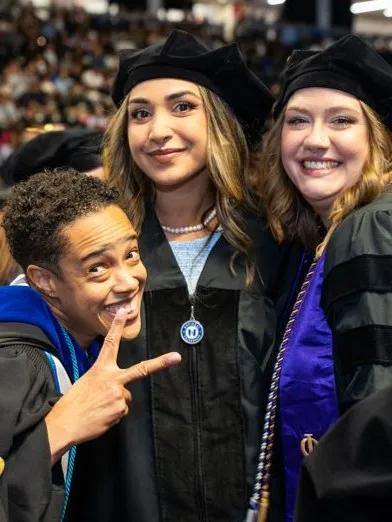
NU’s Whole Human Education™ provides flexible, supportive, and career-focused education for the way you live and learn.

Faculty Mentorship
Learn from experienced faculty with real-world industry insight.

Learning Resources
Access free tutoring and academic resources to support your success.

Transfer-Friendly Pathways
Apply prior college credit or professional experience to finish your degree faster.

Career Support
Strengthen your career potential with career counseling, professional development, and job search tools.

Take Your Expertise Further
Learn more about our career-focused programs and flexible options for working professionals.
Frequently Asked Questions
Digital media design is the creation of visual and interactive content for digital platforms, including websites, video, games, social media, and other digital experiences. It combines creative design principles with technology to communicate ideas and engage audiences through multimedia content.
A bachelor’s degree in digital media design develops in-demand creative and technical skills for producing content across a variety of digital formats. NU’s program covers graphic design, web and interactive design, audio and video production, motion graphics, 3D design, game art, and AR/VR, with hands-on opportunities to apply what you learn through digital media projects.
A BA in Digital Media Design can prepare you to pursue opportunities across graphic design, web and interactive design, audio and video production, motion graphics, game design, and other areas of digital media. Potential careers include web designer, video editor, game designer, art director, social media specialist, and instructional designer.
Yes. NU is transfer-friendly, and eligible prior college credits may be applied toward the 120 semester credit hours required for the degree. An admissions advisor can help you understand how your previous coursework may apply.
NU’s Whole Human Education™ approach combines flexible learning with personalized support and career-relevant education. Students have access to experienced faculty, academic resources, and dedicated support designed to help them stay on track from enrollment through graduation.
Hear from Our Graduates
Working professionals who turn their degree into leadership impact.


National University has a support system that wants to see you excel and be successful. From the advisors to your professors, they are on your team.
Gerald C.
Class of 2021
NU had a great writing center and math center that assisted many students with free tutoring.
Karen C.
Class of 2023

As a Navy Veteran, it means the world to have a school show the military and its Veterans so much respect and love for our time and service.
Kareece B.
Class of 2024
Program Disclosure
Successful completion and attainment of National University degrees do not lead to automatic or immediate licensure, employment, or certification in any state/country. The University cannot guarantee that any professional organization or business will accept a graduate’s application to sit for any certification, licensure, or related exam for the purpose of professional certification.
Program availability varies by state. Many disciplines, professions, and jobs require disclosure of an individual’s criminal history, and a variety of states require background checks to apply to, or be eligible for, certain certificates, registrations, and licenses. Existence of a criminal history may also subject an individual to denial of an initial application for a certificate, registration, or license and/or result in the revocation or suspension of an existing certificate, registration, or license. Requirements can vary by state, occupation, and/or licensing authority.
NU graduates will be subject to additional requirements on a program, certification/licensure, employment, and state-by-state basis that can include one or more of the following items: internships, practicum experience, additional coursework, exams, tests, drug testing, earning an additional degree, and/or other training/education requirements.
All prospective students are advised to review employment, certification, and/or licensure requirements in their state, and to contact the certification/licensing body of the state and/or country where they intend to obtain certification/licensure to verify that these courses/programs qualify in that state/country, prior to enrolling. Prospective students are also advised to regularly review the state’s/country’s policies and procedures relating to certification/licensure, as those policies are subject to change.
National University degrees do not guarantee employment or salary of any kind. Prospective students are strongly encouraged to review desired job positions to review degrees, education, and/or training required to apply for desired positions. Prospective students should monitor these positions as requirements, salary, and other relevant factors can change over time.