
NU’s School of Health Professions
Online Nursing Programs and Healthcare Degrees
Online Nursing Programs and Healthcare Degrees
Welcome to the School of Health Professions
The healthcare field is a dynamic place to target, grow, and thrive in a meaningful career. Whether you’re drawn to a future in healthcare because of your empathy towards others or a desire to make a positive impact in your community, National University is committed to supporting you in the pursuit of your personal and professional goals.
At NU, our School of Health Professions offers a wide range of career-focused programs in a variety of disciplines ranging from nursing and other vital patient care roles to applied health administration and management. Our curriculums are designed by experienced healthcare professionals and taught by practicing professionals in their respective disciplines. You’ll gain the essential skills and experience to be a difference-maker in your chosen field.
A future in healthcare offers many benefits and advantages, including a strong job outlook for most careers in the field, flexible scheduling for many positions, and myriad opportunities for continuing your education and professional growth. Whichever path you choose, NU has the people, programs, and support systems in place to help you achieve your goals.
Wittney Jones, PhD
Dean, School of Health Professions
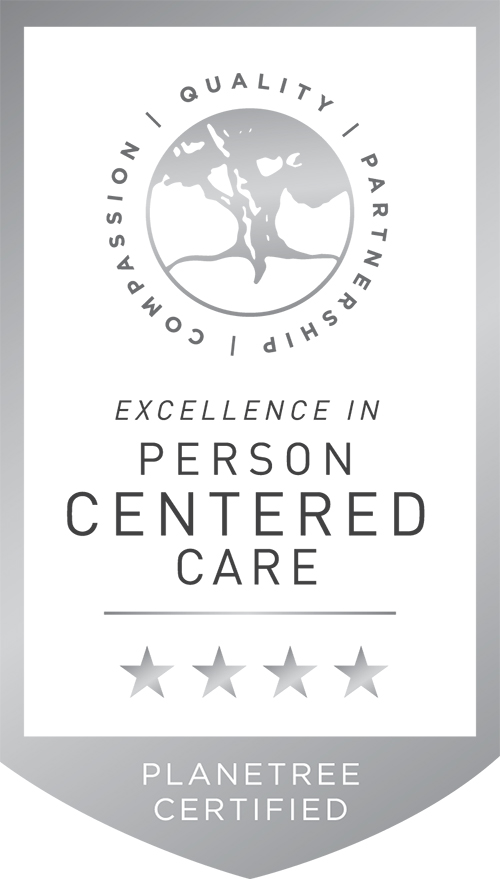
National University is recognized as the first academic institution to achieve Silver status with Planetree. This achievement for NU:
- Represents achievement of organizational culture
- Recognizes commitment
- Recognizes excellence in Person/Student-centered Care
- Provides operational framework for sustaining culture change
For more information about Planetree, visit https://www.planetree.org/.
Explore Our Departments and Degree Programs:
Department of Health Services and Leadership
The Department of Health Services and Leadership programs offer a comprehensive education for students and working professionals seeking to advance their careers in healthcare and public health. Our diverse, distinguished faculty lead a wide range of programs, including health informatics, clinical lab science, allied health, public health, and healthcare leadership, each designed to equip you with a blend of real-world expertise, collaborative learning, and innovative research opportunities. Through partnerships with local hospitals, clinical laboratory training programs, healthcare organizations, and community clinics, we provide experiences that prepare you to meet the evolving needs of the healthcare industry. You’ll benefit from open enrollment in most programs, small class sizes, licensure credits for MLTs, national public health accreditation, and a collaborative, broad-based curriculum. Dedicated to serving adult learners, we meet you where you are, offering both online and in-person courses that culminate in in-person, virtual, or study-abroad internships or capstone experiences.
Join us at the Department of Health Services and Leadership, where we’re committed to nurturing the next generation of healthcare professionals. With our combination of academic rigor, real-world application, and an unwavering commitment to your success, we’re committed to nurturing you and your contributions as part of the next generation of professionals advancing the health and well-being of our communities.
Michael Myers, PhD, MEd
Department Chair
- Bachelor of Science in Allied Health
- Bachelor of Science in Clinical Laboratory Science
- Master of Science in Health Informatics
- Bachelor of Science in Healthcare Administration
- Bachelor of Science in Public Health
- Master of Healthcare Administration
- Master of Public Health
- Doctor of Health Administration
Department of Nursing
National University’s Department of Nursing prepares you for delivering compassionate, patient-centered care in today’s fast-growing healthcare environment. Select from a broad range of programs that emphasize collaboration and emerging technologies in providing you the knowledge, skills, and mindset needed to master the art and science of nursing. Beyond the classroom, community engagement and academic-practice partnerships allow you to participate in clinical judgments and evidenced-based decision-making to affect and improve real-world health outcomes. Throughout your educational experience, you’ll be guided and mentored by a diverse group of nursing scholars and practitioners with a passion for innovative healthcare and a devotion to student growth and success.
Dr. Sara Briggs, DNP, RN, NEA-BC
Department of Nursing Chair
- Bachelor of Science in Nursing – Generic Entry (BSN) (California)
- Bachelor of Science in Nursing – RN to BSN
- Bachelor of Science in Nursing (BSN) – Second Bachelor (California)
- LVN to RN 30 Unit Option (California)
- Master of Science in Nursing
- Post Graduate Family Nurse Practitioner
- Post Graduate Psychiatric Mental Health Nurse Practitioner
- Doctor of Nurse Anesthesia Practice
- Doctor of Nursing Practice in Executive Leadership
Explore Our Nursing & Health Professions Programs
Make a meaningful difference in the lives of others through a career in Nursing and healthcare. National University’s School of Health Professions offers flexible, career-aligned programs in nursing, public health, health administration, clinical lab science, informatics, and more. Whether you’re starting your journey or advancing to a leadership role, our programs are designed to support your goals and your growth.
Bachelor’s Degrees
Build a strong foundation in nursing, public health, healthcare administration, allied health. Our programs combine essential knowledge to help launch your healthcare career.
Master’s Degrees
Advance your career with flexible programs in nursing, public health, informatics, and healthcare administration. Designed for working professionals ready to lead.
Doctoral Degrees
Take the next step with practice-based doctorates in nursing, healthcare leadership, and administration. Prepare to drive innovation and lead at the highest levels.
Useful Links
Recognized for Student-Centered Healthcare Education
National University is the first academic institution to achieve Planetree Silver Recognition, acknowledging our commitment to person-centered, compassionate education in health professions.
Innovation in Action
- $4Millon HRSA grant to support the Dr. Gloria J. McNeal Nurse-Managed Clinic
- Partnership with Axon Park to build a virtual healthcare learning environment
- Mobile health and clinic expansion in collaboration with Jewish Family Service of San Diego
Welcome to the National University Virtual Campus
School of Health Professions Frequently Asked Questions
The School of Health Professions includes programs such as Nursing (BSN, RN to BSN, MSN), Public Health, Healthcare Administration, Health Informatics, Allied Health, and Clinical Laboratory Science, among others. These degrees prepare students for clinical, administrative, and leadership roles in the healthcare industry.
Yes. Many programs, especially those in public health, healthcare administration, and nursing bridge programs (e.g., RN to BSN), are offered fully online or in hybrid formats to accommodate working professionals.
These programs are ideal for aspiring nurses, public health advocates, healthcare managers, and allied health professionals, especially adult learners or those seeking to upskill or pivot careers in a flexible, accredited academic setting.
Yes. NU is known for its four-week course format, allowing students to focus on one subject at a time while progressing quickly through their program. This is especially beneficial for working adults and those seeking faster degree completion.
For additional information, contact us via email at [email protected]